Yep, we may get a tiny thank-you (read: commission) when you buy through
links on Gadgetspotr — not enough for a yacht, but enough to keep the lights (and
servers) on.
Learn more
29
Highlights
62
Differences
7
Reactions
0
Likes
PlayStation Portal
vs
Nintendo Switch:
29 Highlights & 62 Differences —
So, Which Handheld Console Actually Works Better
A user-friendly comparison highlighting portability, controls, and ecosystem for gamers on the go.
Choosing the better handheld console? This comparison shows PlayStation Portal vs Nintendo Switch side by side — from color options, portability focus, region compatibility & width to what users love.
PlayStation Portal vs Nintendo Switch: A Portable Gaming Showdown
The PlayStation Portal and Nintendo Switch both aim to satisfy gamers' craving for handheld gaming experiences, but they cater to slightly different audiences and priorities. Each boasts portability and global compatibility, featuring high-resolution 16:9 displays designed to deliver immersive visuals. Both devices support Bluetooth 5.2 and USB-C charging, and provide high-tier performance with various performance modes, ensuring responsive gameplay. However, while the Nintendo Switch emphasizes versatility with physical media support, video output, and a hybrid control scheme, the PlayStation Portal zeroes in on remote play optimization with more compact dimensions and longer battery endurance. Let's dive deeper into what makes each unique.
PlayStation Portal: Compact Power for Remote Play Enthusiasts
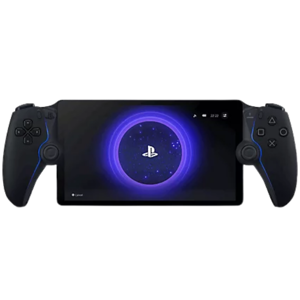
The PlayStation Portal is a streamlined handheld device tailored for casual gamers who thrive in the PlayStation ecosystem. With a slender 6-inch width and a weight of 2.6 lbs, it balances size and heft, making it comfortable to grip for extended sessions. While it lacks display protection such as Gorilla Glass, its screen delivers high brightness and sharp resolution, optimized for vibrant gameplay without HDR support.
Performance-wise, the device features a robust multi-core CPU and supports both balanced and performance modes, ensuring smooth streaming of PlayStation titles. The internal storage is moderate with no option for expansion, focusing users on streaming rather than locally stored games. The controls include Hall Effect analog sticks and a classic cross D-pad, complemented by low input latency and full gyroscopic and motion sensor compatibility for an immersive control experience.
Connectivity options emphasize wireless convenience, sporting Bluetooth 5.2 and USB-C charging, though the device omits NFC and video output capabilities. The battery is a strong suit, offering 7 to 9 hours of average use at a modest 15W power consumption, making it ideal for extended gaming sessions away from power sources.
Software-wise, backward compatibility expands the playable library, while subscription and social features like messaging and community access enhance the connected experience. Parental controls, privacy, and security protocols are robust, guarding user data effectively. However, it lacks physical media support and official display accessories. Notably, its budget-friendly positioning at $199 at a1techdeals.com makes it an attractive choice for players wanting next-level remote play without the premium price tag.
The Nintendo Switch: Versatility and Feature-Rich Gaming Everywhere
The Nintendo Switch remains a standout in portable gaming with its hybrid design, blending handheld and docked TV modes. Although wider at 12.5 inches and significantly lighter at 0.88 lbs, it delivers comfort for diverse play styles, from on-the-go to living room gaming.
Its display incorporates Gorilla Glass protection, demonstrating its durability for everyday use. Like the Portal, it supports a high brightness, high-resolution screen without HDR. The Switch excels in hardware flexibility, providing a powerful quad-core CPU clocked at 1.02 GHz and high internal storage capacity with expandable options. Its performance modes include power-saving, balanced, and high-performance, allowing users to tailor gameplay based on battery or performance priorities.
Control-wise, the Switch utilizes Hall Effect analog sticks paired with a hybrid D-pad that many users find superior for precision input, especially in platformers and fighting games. Both devices share low input latency and advanced motion sensing. Audio hardware features are neck and neck, with identical speaker outputs, headphone jacks, and advanced software audio enhancements ensuring clear and responsive sound.
The Switch's battery varies from 4.5 to 9 hours, depending on usage, but it tends to consume more power (18W) compared to Portal. Connectivity shines with NFC support for Amiibo and accessories, alongside video output capability allowing seamless TV connection through the dock. This flexibility extends to physical media compatibility and expandability, which counters the Portal's streaming-centric approach.
On the ecosystem front, the Switch offers extensive support with display and charging accessories, plus replacement parts, supporting long-term use. However, messaging and backward compatibility features aren't available here, reflecting a more closed but highly polished environment. Priced between $295.89 and $339.99 at a1techdeals.com, it represents a premium investment in versatility and wide-reaching gaming options.
Quick Take
The PlayStation Portal shines with its affordable price, longer battery life, and remote play capabilities tailored to existing PlayStation fans, wrapped in a sleek, compact silhouette. Meanwhile, the Nintendo Switch impresses with robust hardware, flexible gaming modes, physical media support, and an extensive accessory ecosystem that appeals to families and hardcore gamers alike.
Bottom Line
For gamers looking for an affordable, portable device focused on remote streaming with solid battery life and social features, the PlayStation Portal stands out as a smart choice. If you want a feature-packed, all-in-one handheld console with hybrid home use and access to physical game libraries and accessories, the Nintendo Switch remains an unmatched option despite its higher price and larger size.
Verdict
Winner: Nintendo Switch - Offers broader versatility, physical media support, and a strong accessory network for diverse gaming experiences.
Runner-up: PlayStation Portal - A budget-friendly, compact alternative optimized for remote PlayStation play with longer battery life and messaging features.
Side by side. The numbers. The features. No drama.
Is PlayStation Portal better than Nintendo Switch? It depends on your needs. Our gadget breakdown lays out the full story — from specs to buyer feedback.
Both PlayStation Portal and Nintendo Switch emphasize portability, making them great options for gaming on the go. Their portability focus means users can enjoy gaming anywhere. Either console is ideal if portability is a priority.
Shows whether portability is a key design priority.
In the battle of Portability Focus,
PlayStation Portal ◉ is
same as
Nintendo Switch ◉
.
Don’t keep it to yourself — be the first to react and review the
Portability Focus on PlayStation Portal ◉
vs Nintendo Switch ◉ and help others decide!
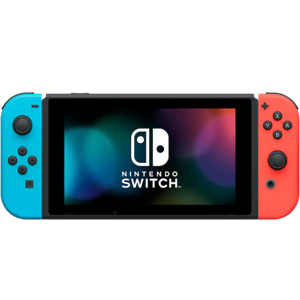
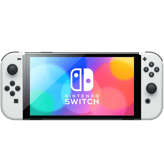
PlayStation Portal comes in White and Black colors, while Nintendo Switch offers Neon Red/Neon Blue and Gray. Choice of colors is subjective, but Nintendo Switch provides more vibrant options. For colorful designs, Nintendo Switch may appeal more.
Indicates the available color variants.
In the battle of Color Options,
PlayStation Portal ◉ is
same as
Nintendo Switch ◉
.
Don’t keep it to yourself — be the first to react and review the
Color Options on PlayStation Portal ◉
vs Nintendo Switch ◉ and help others decide!
Both PlayStation Portal and Nintendo Switch offer global region compatibility, allowing users worldwide to enjoy their gaming experiences without restrictions. This makes both consoles equally attractive for gamers who want unrestricted access. In terms of region compatibility, either is suitable.
Indicates whether the device works across regions.
In the battle of Region Compatibility,
PlayStation Portal ◉ is
same as
Nintendo Switch ◉
.
Don’t keep it to yourself — be the first to react and review the
Region Compatibility on PlayStation Portal ◉
vs Nintendo Switch ◉ and help others decide!
Intended User
Who is this handheld intended for?
0
PlayStation Portal
0Votes
Casual Gamers
0
Nintendo Switch
0Votes
Family
vs
Intended User
PlayStation Portal targets casual gamers, while Nintendo Switch is designed for family use. If you are looking for a console oriented towards casual solo play, PlayStation Portal suits you. For a family-friendly gaming experience, Nintendo Switch is more appropriate.
Specifies the primary target audience for the device.
In the battle of Intended User,
PlayStation Portal ◉ is
same as
Nintendo Switch ◉
.
Don’t keep it to yourself — be the first to react and review the
Intended User on PlayStation Portal ◉
vs Nintendo Switch ◉ and help others decide!
Usage Mode
What usage modes are supported?
0
PlayStation Portal
0Votes
Handheld Only
0
Nintendo Switch
0Votes
Handheld Only
Nintendo Switch
Designed as Handheld Only, so it focuses on portable play rather than being used with a docked TV mode.
A Handheld Only design typically prioritizes battery life and ergonomic controls for on-the-go gaming.
Describes how the console is typically used.
In the battle of Usage Mode,
PlayStation Portal ◉ is
same as
Nintendo Switch ◉
.
Don’t keep it to yourself — be the first to react and review the
Usage Mode on PlayStation Portal ◉
vs Nintendo Switch ◉ and help others decide!
Primary Material
What is the primary material of the console body?
0
PlayStation Portal
0Votes
Plastic
0
Nintendo Switch
0Votes
Plastic
Nintendo Switch
The console uses a Plastic chassis, which helps keep weight and cost down.
While durable and lightweight, Plastic may show scuffs more easily than metal finishes.
Describes the main material used for the handheld console’s exterior housing, affecting durability, weight, and premium feel.
In the battle of Primary Material,
PlayStation Portal ◉ is
same as
Nintendo Switch ◉
.
Don’t keep it to yourself — be the first to react and review the
Primary Material on PlayStation Portal ◉
vs Nintendo Switch ◉ and help others decide!
Build Finish
What is the build finish?
0
PlayStation Portal
0Votes
Matte
0
Nintendo Switch
0Votes
Glossy
Nintendo Switch
Features a Glossy finish which provides a shiny appearance but can show fingerprints and smudges more easily.
A Glossy build finish often looks sleek but may require frequent cleaning to maintain its appearance.
Describes the surface finish of the device.
In the battle of Build Finish,
PlayStation Portal ◉ is
same as
Nintendo Switch ◉
.
Don’t keep it to yourself — be the first to react and review the
Build Finish on PlayStation Portal ◉
vs Nintendo Switch ◉ and help others decide!
Expandability
Does it support expandability?
No
0Votes
PlayStation Portal
Yes
1Votes
Nintendo Switch
vs
Expandability
PlayStation Portal does not support expandability, whereas Nintendo Switch offers expandability options. This means Nintendo Switch allows users to add storage or peripherals, enhancing its versatility. For users valuing expandability, Nintendo Switch is the better choice.
Shows if the system supports future expansion or upgrades.
In the battle of Expandability,
PlayStation Portal ◉ is
worse than
Nintendo Switch ◉
.
Based on community votes for Expandability,
PlayStation Portal ◉ earned
0 votes,
less than
Nintendo Switch ◉,
which got 1 votes.
Expandability is a big deal for me and the Switch clearly wins with that feature.
See more
Operating System
What operating system does this handheld console use?
0
PlayStation Portal
0Votes
Android
0
Nintendo Switch
0Votes
Windows
Specifies the core operating system that runs the handheld console and determines software compatibility, ecosystem access, and update flexibility.
In the battle of Operating System,
PlayStation Portal ◉ is
same as
Nintendo Switch ◉
.
Don’t keep it to yourself — be the first to react and review the
Operating System on PlayStation Portal ◉
vs Nintendo Switch ◉ and help others decide!
Release Year
What year was it released?
0
PlayStation Portal
0Votes
2023
0
Nintendo Switch
0Votes
2017
Shows the year the product was officially released.
In the battle of Release Year,
PlayStation Portal ◉ is
same as
Nintendo Switch ◉
.
Don’t keep it to yourself — be the first to react and review the
Release Year on PlayStation Portal ◉
vs Nintendo Switch ◉ and help others decide!
Ergonomic Design
Is the design ergonomic?
Yes
0Votes
PlayStation Portal
Yes
0Votes
Nintendo Switch
Indicates whether the device is designed for comfortable long-term use.
In the battle of Ergonomic Design,
PlayStation Portal ◉ is
same as
Nintendo Switch ◉
.
Don’t keep it to yourself — be the first to react and review the
Ergonomic Design on PlayStation Portal ◉
vs Nintendo Switch ◉ and help others decide!
Durability Rating
What is the durability rating of the console?
0
PlayStation Portal
0Votes
Medium
0
Nintendo Switch
0Votes
High
Indicates the overall resistance of the handheld console to drops, wear, and long-term usage stress.
In the battle of Durability Rating,
PlayStation Portal ◉ is
same as
Nintendo Switch ◉
.
Don’t keep it to yourself — be the first to react and review the
Durability Rating on PlayStation Portal ◉
vs Nintendo Switch ◉ and help others decide!
Repairability Level
How repairable is the device?
0
PlayStation Portal
0Votes
Low
0
Nintendo Switch
0Votes
Medium
Indicates how easy the device is to repair or service.
In the battle of Repairability Level,
PlayStation Portal ◉ is
same as
Nintendo Switch ◉
.
Don’t keep it to yourself — be the first to react and review the
Repairability Level on PlayStation Portal ◉
vs Nintendo Switch ◉ and help others decide!
PlayStation Portal weighs 2.6 lbs compared to Nintendo Switch's lighter 0.88 lbs. Nintendo Switch offers significantly reduced weight, enhancing its portability and comfort during extended use. For lightweight gaming, Nintendo Switch is better.
Indicates the overall weight of the device for portability.
In the battle of Weight,
PlayStation Portal ◉ is
worse than
Nintendo Switch ◉
, delivering
higher
1.7 lbs
measurement.
Based on community votes for Weight,
PlayStation Portal ◉ earned
0 votes,
less than
Nintendo Switch ◉,
which got 1 votes.
Package depth for PlayStation Portal is 5 inches compared to Nintendo Switch's deeper 8.3 inches. The shallower depth of PlayStation Portal aids in compact packaging and easier storage. PlayStation Portal offers a smaller package depth.
Depth of the retail packaging.
In the battle of Package Depth,
PlayStation Portal ◉ is
better than
Nintendo Switch ◉
, delivering
lower
3.3 inch
measurement.
Don’t keep it to yourself — be the first to react and review the
Package Depth on PlayStation Portal ◉
vs Nintendo Switch ◉ and help others decide!
The package height for both PlayStation Portal and Nintendo Switch is 3.9 inches, making their retail box heights identical. This parity means storage or shelf space considerations are similar for both devices.
Height of the retail packaging.
In the battle of Package Height,
PlayStation Portal ◉ is
same as
Nintendo Switch ◉
, delivering
equal
3.90 inch
measurement.
Don’t keep it to yourself — be the first to react and review the
Package Height on PlayStation Portal ◉
vs Nintendo Switch ◉ and help others decide!
PlayStation Portal measures 6 inches in width versus Nintendo Switch's much wider 12.5 inches. The smaller width of PlayStation Portal enhances handheld usability and portability. For compact width, PlayStation Portal is more suitable.
Measures the horizontal size of the console from side to side.
In the battle of Width,
PlayStation Portal ◉ is
better than
Nintendo Switch ◉
, delivering
lower
6.5 inch
measurement.
Don’t keep it to yourself — be the first to react and review the
Width on PlayStation Portal ◉
vs Nintendo Switch ◉ and help others decide!
Depth
What is the depth of the console?
3.88
inch
0Votes
6.1
inch
0Votes
PlayStation Portal
Depth measures 3.88 inch or roughly 9.86 cm, affecting how comfortably the device fits in hand or bag.
Measures the front-to-back thickness of the device.
In the battle of Depth,
PlayStation Portal ◉ is
better than
Nintendo Switch ◉
, delivering
lower
2.2 inch
measurement.
Don’t keep it to yourself — be the first to react and review the
Depth on PlayStation Portal ◉
vs Nintendo Switch ◉ and help others decide!
Height
What is the height of the console?
14
inch
0Votes
5.1
inch
0Votes
PlayStation Portal
The package height of 14 inch translates to approximately 35.56 cm, needed for handling and shipping.
Measures the vertical dimension of the handheld console.
In the battle of Height,
PlayStation Portal ◉ is
worse than
Nintendo Switch ◉
, delivering
higher
8.9 inch
measurement.
Don’t keep it to yourself — be the first to react and review the
Height on PlayStation Portal ◉
vs Nintendo Switch ◉ and help others decide!
Package Width
What is the package width?
15.7
inch
0Votes
13.7
inch
0Votes
vs
Package Width
The package width of PlayStation Portal is 15.7 inches, while Nintendo Switch's package width is 13.7 inches. Nintendo Switch's smaller packaging may be advantageous for storage and transport. Nintendo Switch is more compact in packaging width.
Width of the retail packaging.
In the battle of Package Width,
PlayStation Portal ◉ is
worse than
Nintendo Switch ◉
, delivering
higher
2.0 inch
measurement.
Don’t keep it to yourself — be the first to react and review the
Package Width on PlayStation Portal ◉
vs Nintendo Switch ◉ and help others decide!
Package Weight
What is the package weight?
3.5
lbs
0Votes
4
lbs
0Votes
PlayStation Portal
Package weight is 3.5 lbs, approximately 1.59 kg, relevant for shipping and handling.
Total weight including packaging and accessories.
In the battle of Package Weight,
PlayStation Portal ◉ is
better than
Nintendo Switch ◉
, delivering
lower
0.5 lbs
measurement.
Don’t keep it to yourself — be the first to react and review the
Package Weight on PlayStation Portal ◉
vs Nintendo Switch ◉ and help others decide!
What type of panel protection does the display feature?
0
PlayStation Portal
0Votes
None
0
Nintendo Switch
1Votes
Gorilla Glass
vs
Panel Protection
PlayStation Portal lacks panel protection, whereas Nintendo Switch features Gorilla Glass. Gorilla Glass on Nintendo Switch provides better scratch and impact resistance, enhancing durability. For ruggedness, Nintendo Switch has an advantage.
Refers to protective layers applied to the display surface to prevent scratches and damage.
In the battle of Panel Protection,
PlayStation Portal ◉ is
same as
Nintendo Switch ◉
.
Based on community votes for Panel Protection,
PlayStation Portal ◉ earned
0 votes,
less than
Nintendo Switch ◉,
which got 1 votes.
PlayStation Portal and Nintendo Switch both feature high resolution widths, offering sharp and clear images for gaming. Neither specifies exact pixel counts, but both are positioned to deliver quality visuals. Resolution width is competitive on both.
Categorizes the horizontal resolution clarity level of the display.
In the battle of Resolution Width,
PlayStation Portal ◉ is
same as
Nintendo Switch ◉
.
Don’t keep it to yourself — be the first to react and review the
Resolution Width on PlayStation Portal ◉
vs Nintendo Switch ◉ and help others decide!
Both consoles use a 16:9 aspect ratio, which is standard for modern gaming. This ensures compatible display formatting and consistent gaming visuals. For aspect ratio, both PlayStation Portal and Nintendo Switch are equal.
Describes the proportional relationship between width and height.
In the battle of Aspect Ratio,
PlayStation Portal ◉ is
same as
Nintendo Switch ◉
.
Don’t keep it to yourself — be the first to react and review the
Aspect Ratio on PlayStation Portal ◉
vs Nintendo Switch ◉ and help others decide!
Neither PlayStation Portal nor Nintendo Switch support HDR, so neither provides the enhanced dynamic range HDR brings. Both offer similar visual quality regarding HDR capabilities. HDR is a tie between the two.
Indicates support for high dynamic range content.
In the battle of HDR,
PlayStation Portal ◉ is
same as
Nintendo Switch ◉
.
Don’t keep it to yourself — be the first to react and review the
HDR on PlayStation Portal ◉
vs Nintendo Switch ◉ and help others decide!
Screen Size
What is the screen size?
8
inch
0Votes
7
inch
0Votes
PlayStation Portal
Screen size is 8 inch, converting to approximately 20.32 cm, offering a generous viewing area.
Indicates the diagonal size of the display.
In the battle of Screen Size,
PlayStation Portal ◉ is
better than
Nintendo Switch ◉
, delivering
higher
1.0 inch
measurement.
Don’t keep it to yourself — be the first to react and review the
Screen Size on PlayStation Portal ◉
vs Nintendo Switch ◉ and help others decide!
Variable Refresh Rate
Is variable refresh rate supported?
No
0Votes
PlayStation Portal
Yes
0Votes
Nintendo Switch
Nintendo Switch
Supports variable refresh rate to reduce screen tearing and stuttering when frame rates fluctuate.
Variable refresh rate improves visual smoothness when paired with compatible games and settings.
Indicates dynamic adjustment of refresh rate for smoother visuals.
In the battle of Variable Refresh Rate,
PlayStation Portal ◉ is
worse than
Nintendo Switch ◉
.
Don’t keep it to yourself — be the first to react and review the
Variable Refresh Rate on PlayStation Portal ◉
vs Nintendo Switch ◉ and help others decide!
Screen Type
What type of screen does it use?
0
PlayStation Portal
0Votes
LCD
0
Nintendo Switch
0Votes
LCD
Defines the underlying display panel technology.
In the battle of Screen Type,
PlayStation Portal ◉ is
same as
Nintendo Switch ◉
.
Don’t keep it to yourself — be the first to react and review the
Screen Type on PlayStation Portal ◉
vs Nintendo Switch ◉ and help others decide!
Resolution Height
What is the resolution height level?
0
PlayStation Portal
0Votes
High
0
Nintendo Switch
0Votes
High
Categorizes the vertical resolution clarity level of the display.
In the battle of Resolution Height,
PlayStation Portal ◉ is
same as
Nintendo Switch ◉
.
Don’t keep it to yourself — be the first to react and review the
Resolution Height on PlayStation Portal ◉
vs Nintendo Switch ◉ and help others decide!
Refresh Rate
What is the refresh rate?
60
Hz
0Votes
120
Hz
0Votes
Indicates how many times the screen refreshes per second.
In the battle of Refresh Rate,
PlayStation Portal ◉ is
worse than
Nintendo Switch ◉
, delivering
lower
60.0 Hz
measurement.
Don’t keep it to yourself — be the first to react and review the
Refresh Rate on PlayStation Portal ◉
vs Nintendo Switch ◉ and help others decide!
Touchscreen
Does it support touchscreen input?
Yes
0Votes
PlayStation Portal
Yes
0Votes
Nintendo Switch
Shows whether the display supports touch input.
In the battle of Touchscreen,
PlayStation Portal ◉ is
same as
Nintendo Switch ◉
.
Don’t keep it to yourself — be the first to react and review the
Touchscreen on PlayStation Portal ◉
vs Nintendo Switch ◉ and help others decide!
Brightness Level
How bright is the display?
0
PlayStation Portal
0Votes
High
0
Nintendo Switch
0Votes
High
vs
Brightness Level
Both devices provide high brightness levels, supporting good visibility in various lighting conditions. This improves outdoor and bright room usability. Brightness levels are well matched between PlayStation Portal and Nintendo Switch.
Describes the overall brightness capability of the display.
In the battle of Brightness Level,
PlayStation Portal ◉ is
same as
Nintendo Switch ◉
.
Don’t keep it to yourself — be the first to react and review the
Brightness Level on PlayStation Portal ◉
vs Nintendo Switch ◉ and help others decide!
Color Gamut
What color gamut does the display support?
0
PlayStation Portal
0Votes
sRGB
0
Nintendo Switch
0Votes
sRGB,Adobe RGB
Describes the range of colors the display is capable of reproducing.
In the battle of Color Gamut,
PlayStation Portal ◉ is
same as
Nintendo Switch ◉
.
Don’t keep it to yourself — be the first to react and review the
Color Gamut on PlayStation Portal ◉
vs Nintendo Switch ◉ and help others decide!
Bezel Size
How large are the bezels?
0
PlayStation Portal
0Votes
Medium
0
Nintendo Switch
0Votes
Thin
Describes the thickness of the display borders.
In the battle of Bezel Size,
PlayStation Portal ◉ is
same as
Nintendo Switch ◉
.
Don’t keep it to yourself — be the first to react and review the
Bezel Size on PlayStation Portal ◉
vs Nintendo Switch ◉ and help others decide!
Anti-Glare Coating
Does it have anti-glare coating?
No
0Votes
PlayStation Portal
No
0Votes
Nintendo Switch
Shows whether the screen reduces reflections.
In the battle of Anti-Glare Coating,
PlayStation Portal ◉ is
same as
Nintendo Switch ◉
.
Don’t keep it to yourself — be the first to react and review the
Anti-Glare Coating on PlayStation Portal ◉
vs Nintendo Switch ◉ and help others decide!
Both PlayStation Portal and Nintendo Switch have high CPU core counts, enabling efficient multitasking and gaming performance. Exact core counts are unspecified but considered high on both, favoring smooth gameplay. CPU cores are comparably robust on both consoles.
Categorizes the CPU core count level for multitasking and performance.
In the battle of CPU Cores,
PlayStation Portal ◉ is
same as
Nintendo Switch ◉
.
Don’t keep it to yourself — be the first to react and review the
CPU Cores on PlayStation Portal ◉
vs Nintendo Switch ◉ and help others decide!
Internal storage capacity is medium for PlayStation Portal and high for Nintendo Switch. This suggests Nintendo Switch offers more onboard storage, reducing the immediate need for external additions. For storage capacity, Nintendo Switch is more suitable.
Categorizes built-in storage space for games and data.
In the battle of Internal Storage Capacity,
PlayStation Portal ◉ is
same as
Nintendo Switch ◉
.
Don’t keep it to yourself — be the first to react and review the
Internal Storage Capacity on PlayStation Portal ◉
vs Nintendo Switch ◉ and help others decide!
Performance Modes
What performance modes are available?
0
PlayStation Portal
0Votes
Balanced, Performance
0
Nintendo Switch
1Votes
Power Saving, Balanced, Performance
vs
Performance Modes
PlayStation Portal offers Balanced and Performance modes, while Nintendo Switch adds a Power Saving mode alongside Balanced and Performance. Nintendo Switch provides more flexibility in performance tuning, suiting different usage. For mode variety, Nintendo Switch leads.
Defines selectable system performance profiles.
In the battle of Performance Modes,
PlayStation Portal ◉ is
same as
Nintendo Switch ◉
.
Based on community votes for Performance Modes,
PlayStation Portal ◉ earned
0 votes,
less than
Nintendo Switch ◉,
which got 1 votes.
Performance modes are more flexible on the Switch with the added power saving mode.
See more
GPU Type
What type of gpu does it use?
0
PlayStation Portal
0Votes
Custom GPU
0
Nintendo Switch
0Votes
Dedicated
PlayStation Portal
Includes a custom GPU designed for optimized graphics rendering specific to this device.
Nintendo Switch
Includes a Dedicated GPU, which provides stronger graphics performance than integrated solutions.
A Dedicated GPU enables higher-quality rendering, better effects, and more stable frame rates in demanding titles.
Describes the type of graphics processor used for rendering visuals.
In the battle of GPU Type,
PlayStation Portal ◉ is
same as
Nintendo Switch ◉
.
Don’t keep it to yourself — be the first to react and review the
GPU Type on PlayStation Portal ◉
vs Nintendo Switch ◉ and help others decide!
Processor Type
What processor type does it use?
0
PlayStation Portal
0Votes
Custom SoC
0
Nintendo Switch
0Votes
x86
PlayStation Portal
Powered by a Custom SoC designed specifically for optimized gaming performance.
Identifies the processor architecture used by the handheld console.
In the battle of Processor Type,
PlayStation Portal ◉ is
same as
Nintendo Switch ◉
.
Don’t keep it to yourself — be the first to react and review the
Processor Type on PlayStation Portal ◉
vs Nintendo Switch ◉ and help others decide!
System Memory Capacity
How much system memory is available?
0
PlayStation Portal
0Votes
Medium
0
Nintendo Switch
0Votes
High
Nintendo Switch
Has High system memory capacity to support smoother multitasking and game performance.
More memory helps reduce slowdowns when switching apps or running background services alongside games.
Categorizes available system memory for games and applications.
In the battle of System Memory Capacity,
PlayStation Portal ◉ is
same as
Nintendo Switch ◉
.
Don’t keep it to yourself — be the first to react and review the
System Memory Capacity on PlayStation Portal ◉
vs Nintendo Switch ◉ and help others decide!
Storage Type
What type of storage does it use?
0
PlayStation Portal
0Votes
SSD
0
Nintendo Switch
0Votes
NVMe
PlayStation Portal
Uses SSD storage for fast read/write speeds, reducing loading times and improving system responsiveness.
Describes the internal storage technology.
In the battle of Storage Type,
PlayStation Portal ◉ is
same as
Nintendo Switch ◉
.
Don’t keep it to yourself — be the first to react and review the
Storage Type on PlayStation Portal ◉
vs Nintendo Switch ◉ and help others decide!
Expandable Storage Type
What expandable storage type is supported?
0
PlayStation Portal
0Votes
Proprietary
0
Nintendo Switch
0Votes
microSDXC
Nintendo Switch
Supports microSDXC cards for expandable storage, enabling more games and media to be stored locally.
Using microSDXC allows easy and inexpensive capacity upgrades compared to relying solely on internal storage.
Indicates supported expandable storage formats.
In the battle of Expandable Storage Type,
PlayStation Portal ◉ is
same as
Nintendo Switch ◉
.
Don’t keep it to yourself — be the first to react and review the
Expandable Storage Type on PlayStation Portal ◉
vs Nintendo Switch ◉ and help others decide!
Cooling Method
What cooling method is used?
0
PlayStation Portal
0Votes
Active
0
Nintendo Switch
0Votes
Active
Nintendo Switch
Uses Active cooling (typically a small fan) to maintain performance during extended play sessions.
Active cooling reduces thermal throttling but can introduce audible noise under load.
Describes how heat is managed internally.
In the battle of Cooling Method,
PlayStation Portal ◉ is
same as
Nintendo Switch ◉
.
Don’t keep it to yourself — be the first to react and review the
Cooling Method on PlayStation Portal ◉
vs Nintendo Switch ◉ and help others decide!
Load Time Optimization
Are load times optimized?
Yes
0Votes
PlayStation Portal
Yes
0Votes
Nintendo Switch
Nintendo Switch
Implements load time optimizations such as faster storage access or streaming assets to reduce waiting between scenes.
Improved load times enhance the overall user experience, especially for games with frequent level transitions.
Indicates optimizations for faster game loading.
In the battle of Load Time Optimization,
PlayStation Portal ◉ is
same as
Nintendo Switch ◉
.
Don’t keep it to yourself — be the first to react and review the
Load Time Optimization on PlayStation Portal ◉
vs Nintendo Switch ◉ and help others decide!
Hardware Acceleration
Is hardware acceleration supported?
Yes
0Votes
PlayStation Portal
Yes
0Votes
Nintendo Switch
Nintendo Switch
Includes hardware acceleration for graphics or video decoding, improving performance and reducing CPU load.
Hardware acceleration helps maintain smoother frame rates in supported games.
Shows support for hardware-level performance boosts.
In the battle of Hardware Acceleration,
PlayStation Portal ◉ is
same as
Nintendo Switch ◉
.
Don’t keep it to yourself — be the first to react and review the
Hardware Acceleration on PlayStation Portal ◉
vs Nintendo Switch ◉ and help others decide!
CPU Clock Speed
What is the CPU clock speed?
Who knows?
0Votes
PlayStation Portal
(Help us out by suggesting one!)
1.02
GHz
0Votes
vs
CPU Clock Speed
PlayStation Portal does not specify a CPU clock speed while Nintendo Switch runs at 1.02 GHz. Nintendo Switch’s disclosed clock speed provides a measurable reference, suggesting a known processing capability. For CPU clock transparency, Nintendo Switch is preferable.
Shows the operating speed of the CPU.
Don’t keep it to yourself — be the first to react and review the
CPU Clock Speed on PlayStation Portal ◉
vs Nintendo Switch ◉ and help others decide!
Graphics Performance Tier
What is the graphics performance tier?
0
PlayStation Portal
0Votes
High
0
Nintendo Switch
0Votes
High
vs
Graphics Performance Tier
Both consoles have high graphics performance tiers, promising strong visual rendering capabilities. This ensures detailed and immersive gaming experiences on each device. In graphics performance, both PlayStation Portal and Nintendo Switch perform well.
Categorizes overall graphical capability.
In the battle of Graphics Performance Tier,
PlayStation Portal ◉ is
same as
Nintendo Switch ◉
.
Don’t keep it to yourself — be the first to react and review the
Graphics Performance Tier on PlayStation Portal ◉
vs Nintendo Switch ◉ and help others decide!
Memory Type
What type of memory does it use?
0
PlayStation Portal
0Votes
LPDDR5
0
Nintendo Switch
0Votes
LPDDR5
Specifies the type of memory technology used by the system.
In the battle of Memory Type,
PlayStation Portal ◉ is
same as
Nintendo Switch ◉
.
Don’t keep it to yourself — be the first to react and review the
Memory Type on PlayStation Portal ◉
vs Nintendo Switch ◉ and help others decide!
Thermal Design Rating
How strong is the thermal design?
0
PlayStation Portal
0Votes
Medium
0
Nintendo Switch
0Votes
High
Indicates thermal tolerance under load.
In the battle of Thermal Design Rating,
PlayStation Portal ◉ is
same as
Nintendo Switch ◉
.
Don’t keep it to yourself — be the first to react and review the
Thermal Design Rating on PlayStation Portal ◉
vs Nintendo Switch ◉ and help others decide!
Multitasking
Does it support multitasking?
No
0Votes
PlayStation Portal
No
0Votes
Nintendo Switch
Indicates ability to run multiple tasks smoothly.
In the battle of Multitasking,
PlayStation Portal ◉ is
same as
Nintendo Switch ◉
.
Don’t keep it to yourself — be the first to react and review the
Multitasking on PlayStation Portal ◉
vs Nintendo Switch ◉ and help others decide!
Boot Time
How fast is the boot time?
0
PlayStation Portal
0Votes
Fast
0
Nintendo Switch
0Votes
Fast
Describes how quickly the system starts up from power on.
In the battle of Boot Time,
PlayStation Portal ◉ is
same as
Nintendo Switch ◉
.
Don’t keep it to yourself — be the first to react and review the
Boot Time on PlayStation Portal ◉
vs Nintendo Switch ◉ and help others decide!
System Stability Rating
How stable is the system?
0
PlayStation Portal
0Votes
High
0
Nintendo Switch
0Votes
High
Rates stability under sustained usage.
In the battle of System Stability Rating,
PlayStation Portal ◉ is
same as
Nintendo Switch ◉
.
Don’t keep it to yourself — be the first to react and review the
System Stability Rating on PlayStation Portal ◉
vs Nintendo Switch ◉ and help others decide!
Analog stick technology is Hall Effect for both PlayStation Portal and Nintendo Switch, providing precise and durable analog input. This is beneficial for accurate control in games. Both consoles offer quality analog stick technology.
Describes the underlying technology used in analog sticks, affecting accuracy, durability, and drift resistance.
In the battle of Analog Stick Technology,
PlayStation Portal ◉ is
same as
Nintendo Switch ◉
.
Don’t keep it to yourself — be the first to react and review the
Analog Stick Technology on PlayStation Portal ◉
vs Nintendo Switch ◉ and help others decide!
PlayStation Portal features a cross-type D-Pad, while Nintendo Switch uses a hybrid type. Each offers distinctive benefits: cross for classic directional control, hybrid for flexibility. Preference depends on user control style, but both deliver effective D-Pads.
Describes the directional pad design.
In the battle of D-Pad Type,
PlayStation Portal ◉ is
same as
Nintendo Switch ◉
.
Don’t keep it to yourself — be the first to react and review the
D-Pad Type on PlayStation Portal ◉
vs Nintendo Switch ◉ and help others decide!
Both PlayStation Portal and Nintendo Switch include a gyroscope, supporting motion-based controls and immersive gaming. This feature enhances gameplay interaction equally on both devices. Gyroscope availability is a shared advantage.
Shows whether a gyroscope is built in.
In the battle of Gyroscope,
PlayStation Portal ◉ is
same as
Nintendo Switch ◉
.
Don’t keep it to yourself — be the first to react and review the
Gyroscope on PlayStation Portal ◉
vs Nintendo Switch ◉ and help others decide!
Motion sensors are present in both PlayStation Portal and Nintendo Switch, enabling motion control and interactive gameplay. This adds to the gaming experience versatility on both devices. Motion sensor inclusion is a tie.
Indicates support for motion-based input.
In the battle of Motion Sensor,
PlayStation Portal ◉ is
same as
Nintendo Switch ◉
.
Don’t keep it to yourself — be the first to react and review the
Motion Sensor on PlayStation Portal ◉
vs Nintendo Switch ◉ and help others decide!
Input latency ratings are low on both consoles, ensuring responsive gameplay and minimal delay during controls. This is critical for competitive and fast-paced games, demonstrated by both PlayStation Portal and Nintendo Switch. Input latency is effectively minimized.
Rates responsiveness of control input.
In the battle of Input Latency Rating,
PlayStation Portal ◉ is
same as
Nintendo Switch ◉
.
Don’t keep it to yourself — be the first to react and review the
Input Latency Rating on PlayStation Portal ◉
vs Nintendo Switch ◉ and help others decide!
Button Type
What type of buttons are used?
0
PlayStation Portal
0Votes
Mechanical
0
Nintendo Switch
0Votes
Mechanical
PlayStation Portal
Buttons use mechanical switches, generally preferred for tactile feedback and durability.
Specifies the button actuation style.
In the battle of Button Type,
PlayStation Portal ◉ is
same as
Nintendo Switch ◉
.
Don’t keep it to yourself — be the first to react and review the
Button Type on PlayStation Portal ◉
vs Nintendo Switch ◉ and help others decide!
Trigger Type
What type of triggers are included?
0
PlayStation Portal
0Votes
Digital
0
Nintendo Switch
0Votes
Analog
PlayStation Portal
The trigger buttons operate digitally, offering precise input without analog variability.
Indicates whether triggers are pressure-sensitive.
In the battle of Trigger Type,
PlayStation Portal ◉ is
same as
Nintendo Switch ◉
.
Don’t keep it to yourself — be the first to react and review the
Trigger Type on PlayStation Portal ◉
vs Nintendo Switch ◉ and help others decide!
Control Layout Type
What control layout does it use?
0
PlayStation Portal
0Votes
Symmetrical
0
Nintendo Switch
0Votes
Asymmetrical
Defines the overall arrangement of controls.
In the battle of Control Layout Type,
PlayStation Portal ◉ is
same as
Nintendo Switch ◉
.
Don’t keep it to yourself — be the first to react and review the
Control Layout Type on PlayStation Portal ◉
vs Nintendo Switch ◉ and help others decide!
Analog Stick Count
How many analog sticks are included?
0
PlayStation Portal
0Votes
2
0
Nintendo Switch
0Votes
2
Indicates the number of analog sticks available.
In the battle of Analog Stick Count,
PlayStation Portal ◉ is
same as
Nintendo Switch ◉
.
Don’t keep it to yourself — be the first to react and review the
Analog Stick Count on PlayStation Portal ◉
vs Nintendo Switch ◉ and help others decide!
Button Count
How many buttons does it have?
0
PlayStation Portal
0Votes
16
0
Nintendo Switch
0Votes
18
Total number of physical buttons on the device.
In the battle of Button Count,
PlayStation Portal ◉ is
same as
Nintendo Switch ◉
.
Don’t keep it to yourself — be the first to react and review the
Button Count on PlayStation Portal ◉
vs Nintendo Switch ◉ and help others decide!
Haptic Feedback
Does it support haptic feedback?
Yes
0Votes
PlayStation Portal
Yes
0Votes
Nintendo Switch
Shows whether advanced vibration feedback is supported.
In the battle of Haptic Feedback,
PlayStation Portal ◉ is
same as
Nintendo Switch ◉
.
Don’t keep it to yourself — be the first to react and review the
Haptic Feedback on PlayStation Portal ◉
vs Nintendo Switch ◉ and help others decide!
Accelerometer
Is an accelerometer included?
Yes
0Votes
PlayStation Portal
Yes
0Votes
Nintendo Switch
Indicates presence of an accelerometer sensor.
In the battle of Accelerometer,
PlayStation Portal ◉ is
same as
Nintendo Switch ◉
.
Don’t keep it to yourself — be the first to react and review the
Accelerometer on PlayStation Portal ◉
vs Nintendo Switch ◉ and help others decide!
Touch Input Type
What type of touch input is used?
0
PlayStation Portal
0Votes
Capacitive
0
Nintendo Switch
0Votes
Capacitive
Describes the touchscreen input technology.
In the battle of Touch Input Type,
PlayStation Portal ◉ is
same as
Nintendo Switch ◉
.
Don’t keep it to yourself — be the first to react and review the
Touch Input Type on PlayStation Portal ◉
vs Nintendo Switch ◉ and help others decide!
Macro
Are macros supported?
No
0Votes
PlayStation Portal
No
0Votes
Nintendo Switch
Indicates whether custom macros can be assigned.
In the battle of Macro,
PlayStation Portal ◉ is
same as
Nintendo Switch ◉
.
Don’t keep it to yourself — be the first to react and review the
Macro on PlayStation Portal ◉
vs Nintendo Switch ◉ and help others decide!
Remappable Controls
Are controls remappable?
Yes
0Votes
PlayStation Portal
Yes
0Votes
Nintendo Switch
Shows whether button mapping can be customized.
In the battle of Remappable Controls,
PlayStation Portal ◉ is
same as
Nintendo Switch ◉
.
Don’t keep it to yourself — be the first to react and review the
Remappable Controls on PlayStation Portal ◉
vs Nintendo Switch ◉ and help others decide!
Accessibility Controls
Are accessibility controls available?
Yes
0Votes
PlayStation Portal
Yes
0Votes
Nintendo Switch
Indicates support for accessibility-focused input options.
In the battle of Accessibility Controls,
PlayStation Portal ◉ is
same as
Nintendo Switch ◉
.
Don’t keep it to yourself — be the first to react and review the
Accessibility Controls on PlayStation Portal ◉
vs Nintendo Switch ◉ and help others decide!
Software audio enhancement technology is present on both PlayStation Portal and Nintendo Switch, improving sound quality through processing. This feature ensures enhanced audio output for users. Both consoles share advanced audio enhancement.
Refers to technologies used to improve sound quality, clarity, or spatial effects.
In the battle of Audio Enhancement Technology,
PlayStation Portal ◉ is
same as
Nintendo Switch ◉
.
Don’t keep it to yourself — be the first to react and review the
Audio Enhancement Technology on PlayStation Portal ◉
vs Nintendo Switch ◉ and help others decide!
Audio latency is low on both consoles, important for synchronized sound and visuals during gaming. This enhances the overall immersive experience on PlayStation Portal and Nintendo Switch. Audio latency performance is equally efficient.
Categorizes the delay between audio output and on-screen action.
In the battle of Audio Latency,
PlayStation Portal ◉ is
same as
Nintendo Switch ◉
.
Don’t keep it to yourself — be the first to react and review the
Audio Latency on PlayStation Portal ◉
vs Nintendo Switch ◉ and help others decide!
Speaker power output is 2 watts on both PlayStation Portal and Nintendo Switch, delivering comparable built-in sound volume and clarity. This ensures adequate audio performance without external speakers. Speaker power is evenly matched.
Indicates the loudness capability of the built-in speakers.
In the battle of Speaker Power Output,
PlayStation Portal ◉ is
same as
Nintendo Switch ◉
, delivering
equal
2.00 Watt
measurement.
Don’t keep it to yourself — be the first to react and review the
Speaker Power Output on PlayStation Portal ◉
vs Nintendo Switch ◉ and help others decide!
Wireless audio support is available on both PlayStation Portal and Nintendo Switch, enabling Bluetooth or similar connectivity for wireless headphones. This adds to user convenience and modern audio options. Wireless audio capability is matched well.
Indicates support for wireless audio devices.
In the battle of Wireless Audio,
PlayStation Portal ◉ is
same as
Nintendo Switch ◉
.
Don’t keep it to yourself — be the first to react and review the
Wireless Audio on PlayStation Portal ◉
vs Nintendo Switch ◉ and help others decide!
Speaker Configuration
What is the speaker configuration?
0
PlayStation Portal
0Votes
Stereo
0
Nintendo Switch
0Votes
Stereo
Nintendo Switch
Includes Stereo speakers for left-right audio separation, improving spatial cues during gameplay.
Stereo output enhances immersion compared to mono speakers, though it may not match a dedicated surround system.
Describes the number and arrangement of built-in speakers.
In the battle of Speaker Configuration,
PlayStation Portal ◉ is
same as
Nintendo Switch ◉
.
Don’t keep it to yourself — be the first to react and review the
Speaker Configuration on PlayStation Portal ◉
vs Nintendo Switch ◉ and help others decide!
Audio Codec
Which audio codecs are supported?
0
PlayStation Portal
0Votes
SBC, AAC
0
Nintendo Switch
0Votes
SBC, AAC, aptX, LDAC
PlayStation Portal
Supports SBC and AAC audio codecs, ensuring compatibility with common wireless audio devices.
Indicates supported audio codecs for wired or wireless audio transmission.
In the battle of Audio Codec,
PlayStation Portal ◉ is
same as
Nintendo Switch ◉
.
Don’t keep it to yourself — be the first to react and review the
Audio Codec on PlayStation Portal ◉
vs Nintendo Switch ◉ and help others decide!
Microphone Type
What type of microphone is included?
0
PlayStation Portal
0Votes
Built-in
0
Nintendo Switch
0Votes
Array
Describes the microphone configuration used for voice input.
In the battle of Microphone Type,
PlayStation Portal ◉ is
same as
Nintendo Switch ◉
.
Don’t keep it to yourself — be the first to react and review the
Microphone Type on PlayStation Portal ◉
vs Nintendo Switch ◉ and help others decide!
Microphone Noise Cancellation
Is noise cancellation supported?
Yes
0Votes
PlayStation Portal
No
0Votes
Nintendo Switch
Indicates whether background noise is reduced during voice input.
In the battle of Microphone Noise Cancellation,
PlayStation Portal ◉ is
better than
Nintendo Switch ◉
.
Don’t keep it to yourself — be the first to react and review the
Microphone Noise Cancellation on PlayStation Portal ◉
vs Nintendo Switch ◉ and help others decide!
Headphone Jack
Is a headphone jack included?
Yes
0Votes
PlayStation Portal
Yes
0Votes
Nintendo Switch
vs
Headphone Jack
Both consoles include a headphone jack, allowing private audio listening without additional adapters. This is convenient for mobile and shared environments alike. PlayStation Portal and Nintendo Switch are equally user-friendly in this audio aspect.
Shows whether a standard headphone jack is available.
In the battle of Headphone Jack,
PlayStation Portal ◉ is
same as
Nintendo Switch ◉
.
Don’t keep it to yourself — be the first to react and review the
Headphone Jack on PlayStation Portal ◉
vs Nintendo Switch ◉ and help others decide!
Surround Sound
Is surround sound supported?
No
0Votes
PlayStation Portal
Yes
0Votes
Nintendo Switch
Indicates support for virtual or spatial surround sound.
In the battle of Surround Sound,
PlayStation Portal ◉ is
worse than
Nintendo Switch ◉
.
Don’t keep it to yourself — be the first to react and review the
Surround Sound on PlayStation Portal ◉
vs Nintendo Switch ◉ and help others decide!
Average battery life ranges from 7-9 hours on PlayStation Portal and 4.5-9 hours on Nintendo Switch. Both offer good endurance, but PlayStation Portal provides a longer minimum runtime. For consistent battery longevity, PlayStation Portal is preferable.
Average runtime under mixed usage conditions.
In the battle of Average Battery Life,
PlayStation Portal ◉ is
same as
Nintendo Switch ◉
.
Based on community votes for Average Battery Life,
PlayStation Portal ◉ earned
1 votes,
more than
Nintendo Switch ◉,
which got 0 votes.
Power consumption is 15 watts for PlayStation Portal compared to 18 watts for Nintendo Switch. PlayStation Portal’s lower power usage suggests better energy efficiency. For power-conscious users, PlayStation Portal is more suitable.
Measures average power draw during operation.
In the battle of Power Consumption,
PlayStation Portal ◉ is
better than
Nintendo Switch ◉
, delivering
lower
3.0 Watt
measurement.
Based on community votes for Power Consumption,
PlayStation Portal ◉ earned
1 votes,
more than
Nintendo Switch ◉,
which got 0 votes.
Portal consumes less power which seems better for conserving battery during play.
See more
Gaming Battery Life
How long does it last while gaming?
0
PlayStation Portal
0Votes
6-8 hours
0
Nintendo Switch
0Votes
2.5-6.5 hours
PlayStation Portal
Gaming battery life ranges between 6-8 hours, suitable for extended play sessions.
Nintendo Switch
Estimated gaming battery life is 2.5-6.5 hours, which varies with game intensity, screen brightness, and wireless usage.
Heavier 3D titles will tend toward the lower end of 2.5-6.5 hours, while less demanding games can reach the higher end.
Runtime specifically during active gaming sessions.
In the battle of Gaming Battery Life,
PlayStation Portal ◉ is
same as
Nintendo Switch ◉
.
Don’t keep it to yourself — be the first to react and review the
Gaming Battery Life on PlayStation Portal ◉
vs Nintendo Switch ◉ and help others decide!
Charging Port Type
What charging port does it use?
0
PlayStation Portal
0Votes
USB-C
0
Nintendo Switch
0Votes
USB-C
vs
Charging Port Type
Charging port type is USB-C on both PlayStation Portal and Nintendo Switch, offering fast and convenient charging with a common cable standard. This ensures ease of charging compatibility. Charging ports are equally convenient.
Specifies the physical charging port.
In the battle of Charging Port Type,
PlayStation Portal ◉ is
same as
Nintendo Switch ◉
.
Don’t keep it to yourself — be the first to react and review the
Charging Port Type on PlayStation Portal ◉
vs Nintendo Switch ◉ and help others decide!
Video Playback Battery Life
How long does it last during video playback?
0
PlayStation Portal
0Votes
8-10 hours
0
Nintendo Switch
0Votes
6 hours
PlayStation Portal
Video playback battery life lasts between 8-10 hours, catering well to media consumption.
Battery duration when playing video content.
In the battle of Video Playback Battery Life,
PlayStation Portal ◉ is
same as
Nintendo Switch ◉
.
Don’t keep it to yourself — be the first to react and review the
Video Playback Battery Life on PlayStation Portal ◉
vs Nintendo Switch ◉ and help others decide!
Charging Time
How long does it take to charge?
0
PlayStation Portal
0Votes
2-3 hours
0
Nintendo Switch
0Votes
3 hours
PlayStation Portal
Charging time ranges from 2-3 hours, allowing reasonably quick recharges between gaming sessions.
Time required to fully charge the battery.
In the battle of Charging Time,
PlayStation Portal ◉ is
same as
Nintendo Switch ◉
.
Don’t keep it to yourself — be the first to react and review the
Charging Time on PlayStation Portal ◉
vs Nintendo Switch ◉ and help others decide!
Battery Type
What type of battery does it use?
0
PlayStation Portal
0Votes
Lithium-Polymer
0
Nintendo Switch
0Votes
Lithium-Ion
Specifies the chemistry of the internal battery.
In the battle of Battery Type,
PlayStation Portal ◉ is
same as
Nintendo Switch ◉
.
Don’t keep it to yourself — be the first to react and review the
Battery Type on PlayStation Portal ◉
vs Nintendo Switch ◉ and help others decide!
Battery Capacity
What is the battery capacity level?
0
PlayStation Portal
0Votes
Medium
0
Nintendo Switch
0Votes
High
vs
Battery Capacity
PlayStation Portal has a medium battery capacity, whereas Nintendo Switch offers a high capacity battery. Higher capacity in Nintendo Switch potentially translates to longer usage between charges. For extended use, Nintendo Switch is preferable.
Categorizes the overall battery size affecting usage duration.
In the battle of Battery Capacity,
PlayStation Portal ◉ is
same as
Nintendo Switch ◉
.
Don’t keep it to yourself — be the first to react and review the
Battery Capacity on PlayStation Portal ◉
vs Nintendo Switch ◉ and help others decide!
Standby Battery Life
How long does it last in standby?
Who knows?
0Votes
PlayStation Portal
(Help us out by suggesting one!)
Who knows?
0Votes
Nintendo Switch
(Help us out by suggesting one!)
Time the device can remain powered on in standby.
Don’t keep it to yourself — be the first to react and review the
Standby Battery Life on PlayStation Portal ◉
vs Nintendo Switch ◉ and help others decide!
Charging Method
How is the device charged?
0
PlayStation Portal
0Votes
Wired
0
Nintendo Switch
0Votes
Wired
Describes how the device is charged.
In the battle of Charging Method,
PlayStation Portal ◉ is
same as
Nintendo Switch ◉
.
Don’t keep it to yourself — be the first to react and review the
Charging Method on PlayStation Portal ◉
vs Nintendo Switch ◉ and help others decide!
Fast Charging
Does it support fast charging?
Yes
0Votes
PlayStation Portal
No
0Votes
Nintendo Switch
Indicates support for rapid charging.
In the battle of Fast Charging,
PlayStation Portal ◉ is
better than
Nintendo Switch ◉
.
Don’t keep it to yourself — be the first to react and review the
Fast Charging on PlayStation Portal ◉
vs Nintendo Switch ◉ and help others decide!
Replaceable Battery
Is the battery replaceable?
No
0Votes
PlayStation Portal
No
0Votes
Nintendo Switch
Indicates whether the battery can be user-replaced.
In the battle of Replaceable Battery,
PlayStation Portal ◉ is
same as
Nintendo Switch ◉
.
Don’t keep it to yourself — be the first to react and review the
Replaceable Battery on PlayStation Portal ◉
vs Nintendo Switch ◉ and help others decide!
Power Saving Mode
Is there a power saving mode?
Yes
0Votes
PlayStation Portal
Yes
0Votes
Nintendo Switch
Shows support for reduced power usage modes.
In the battle of Power Saving Mode,
PlayStation Portal ◉ is
same as
Nintendo Switch ◉
.
Don’t keep it to yourself — be the first to react and review the
Power Saving Mode on PlayStation Portal ◉
vs Nintendo Switch ◉ and help others decide!
Overcharge Protection
Is overcharge protection included?
Yes
0Votes
PlayStation Portal
Yes
0Votes
Nintendo Switch
Indicates built-in protection against overcharging.
In the battle of Overcharge Protection,
PlayStation Portal ◉ is
same as
Nintendo Switch ◉
.
Don’t keep it to yourself — be the first to react and review the
Overcharge Protection on PlayStation Portal ◉
vs Nintendo Switch ◉ and help others decide!
It supports Bluetooth version 5.2, providing improved energy efficiency and enhanced data transfer capabilities over previous versions.
Specifies the Bluetooth standard supported by the handheld console, affecting range, stability, and audio performance.
In the battle of Bluetooth Version,
PlayStation Portal ◉ is
same as
Nintendo Switch ◉
.
Don’t keep it to yourself — be the first to react and review the
Bluetooth Version on PlayStation Portal ◉
vs Nintendo Switch ◉ and help others decide!
Categorizes the maximum supported data transfer speed for file transfers and external connections.
In the battle of Data Transfer Speed,
PlayStation Portal ◉ is
same as
Nintendo Switch ◉
.
Don’t keep it to yourself — be the first to react and review the
Data Transfer Speed on PlayStation Portal ◉
vs Nintendo Switch ◉ and help others decide!
In the battle of NFC,
PlayStation Portal ◉ is
worse than
Nintendo Switch ◉
.
Don’t keep it to yourself — be the first to react and review the
NFC on PlayStation Portal ◉
vs Nintendo Switch ◉ and help others decide!
Wireless Connectivity
What wireless connectivity options are supported?
0
PlayStation Portal
0Votes
Wi-Fi, Bluetooth
0
Nintendo Switch
0Votes
Wi-Fi, Bluetooth
PlayStation Portal
Wireless connectivity includes both Wi-Fi and Bluetooth options for networking and peripherals.
Indicates supported wireless connection types.
In the battle of Wireless Connectivity,
PlayStation Portal ◉ is
same as
Nintendo Switch ◉
.
Don’t keep it to yourself — be the first to react and review the
Wireless Connectivity on PlayStation Portal ◉
vs Nintendo Switch ◉ and help others decide!
Cellular
Does it support cellular connectivity?
No
0Votes
PlayStation Portal
No
0Votes
Nintendo Switch
Nintendo Switch
Does not include built-in cellular connectivity, so online features require Wi‑Fi or a mobile hotspot.
Lack of cellular means no independent mobile data access for remote play without tethering.
Shows whether mobile data connectivity is available.
In the battle of Cellular,
PlayStation Portal ◉ is
same as
Nintendo Switch ◉
.
Don’t keep it to yourself — be the first to react and review the
Cellular on PlayStation Portal ◉
vs Nintendo Switch ◉ and help others decide!
Docking
Is docking supported?
No
0Votes
PlayStation Portal
Yes
0Votes
Nintendo Switch
Nintendo Switch
Includes docking support to connect the handheld to an external display and charge simultaneously.
Docking enables TV play and can offer a more traditional console experience when stationary.
Shows compatibility with docking stations.
In the battle of Docking,
PlayStation Portal ◉ is
worse than
Nintendo Switch ◉
.
Don’t keep it to yourself — be the first to react and review the
Docking on PlayStation Portal ◉
vs Nintendo Switch ◉ and help others decide!
Video Output
Does it support video output?
No
0Votes
PlayStation Portal
Yes
1Votes
Nintendo Switch
Indicates whether video output is supported.
In the battle of Video Output,
PlayStation Portal ◉ is
worse than
Nintendo Switch ◉
.
Based on community votes for Video Output,
PlayStation Portal ◉ earned
0 votes,
less than
Nintendo Switch ◉,
which got 1 votes.
Switch supports video output which is a great bonus for playing on a big screen.
See more
Wi-Fi Standard
Which Wi-Fi standard is supported?
0
PlayStation Portal
0Votes
Wi-Fi 6
0
Nintendo Switch
0Votes
Wi-Fi 5
Specifies the supported Wi-Fi generation.
In the battle of Wi-Fi Standard,
PlayStation Portal ◉ is
same as
Nintendo Switch ◉
.
Don’t keep it to yourself — be the first to react and review the
Wi-Fi Standard on PlayStation Portal ◉
vs Nintendo Switch ◉ and help others decide!
USB Port Count
How many USB ports are available?
0
PlayStation Portal
0Votes
1
0
Nintendo Switch
0Votes
3
Number of available USB ports.
In the battle of USB Port Count,
PlayStation Portal ◉ is
same as
Nintendo Switch ◉
.
Don’t keep it to yourself — be the first to react and review the
USB Port Count on PlayStation Portal ◉
vs Nintendo Switch ◉ and help others decide!
External Display
Can it connect to an external display?
No
0Votes
PlayStation Portal
Yes
0Votes
Nintendo Switch
Indicates support for external monitors or TVs.
In the battle of External Display,
PlayStation Portal ◉ is
worse than
Nintendo Switch ◉
.
Don’t keep it to yourself — be the first to react and review the
External Display on PlayStation Portal ◉
vs Nintendo Switch ◉ and help others decide!
GPS
Is GPS supported?
No
0Votes
PlayStation Portal
No
0Votes
Nintendo Switch
Shows whether location services are available.
In the battle of GPS,
PlayStation Portal ◉ is
same as
Nintendo Switch ◉
.
Don’t keep it to yourself — be the first to react and review the
GPS on PlayStation Portal ◉
vs Nintendo Switch ◉ and help others decide!
Cloud Connectivity
Does it support cloud connectivity?
Yes
0Votes
PlayStation Portal
Yes
0Votes
Nintendo Switch
Indicates integration with cloud services.
In the battle of Cloud Connectivity,
PlayStation Portal ◉ is
same as
Nintendo Switch ◉
.
Don’t keep it to yourself — be the first to react and review the
Cloud Connectivity on PlayStation Portal ◉
vs Nintendo Switch ◉ and help others decide!
Online Services
Are online services supported?
Yes
0Votes
PlayStation Portal
Yes
0Votes
Nintendo Switch
Shows compatibility with online platforms and services.
In the battle of Online Services,
PlayStation Portal ◉ is
same as
Nintendo Switch ◉
.
Don’t keep it to yourself — be the first to react and review the
Online Services on PlayStation Portal ◉
vs Nintendo Switch ◉ and help others decide!
Does not provide broad backward compatibility for older-generation cartridges or discs.
Users should verify compatibility on a per-title basis or rely on digital re-releases where available.
Indicates support for games from previous generations.
In the battle of Backward Compatibility,
PlayStation Portal ◉ is
better than
Nintendo Switch ◉
.
Don’t keep it to yourself — be the first to react and review the
Backward Compatibility on PlayStation Portal ◉
vs Nintendo Switch ◉ and help others decide!
Shows compatibility with gaming subscription services.
In the battle of Subscription Service,
PlayStation Portal ◉ is
same as
Nintendo Switch ◉
.
Don’t keep it to yourself — be the first to react and review the
Subscription Service on PlayStation Portal ◉
vs Nintendo Switch ◉ and help others decide!
Firmware Update Method
How is firmware updated?
0
PlayStation Portal
0Votes
OTA
0
Nintendo Switch
0Votes
OTA
PlayStation Portal
Firmware updates are delivered over-the-air (OTA), allowing easy and wireless upgrades.
Indicates how firmware updates are applied.
In the battle of Firmware Update Method,
PlayStation Portal ◉ is
same as
Nintendo Switch ◉
.
Don’t keep it to yourself — be the first to react and review the
Firmware Update Method on PlayStation Portal ◉
vs Nintendo Switch ◉ and help others decide!
Regional Software Lock
Is software region-locked?
No
0Votes
PlayStation Portal
No
0Votes
Nintendo Switch
Nintendo Switch
Does not enforce regional software locks, so games and digital purchases are generally playable from multiple regions.
A region-free approach simplifies importing titles and accessing different eShops.
Indicates whether software is region-restricted.
In the battle of Regional Software Lock,
PlayStation Portal ◉ is
same as
Nintendo Switch ◉
.
Don’t keep it to yourself — be the first to react and review the
Regional Software Lock on PlayStation Portal ◉
vs Nintendo Switch ◉ and help others decide!
Game Library Type
What type of game library does it use?
0
PlayStation Portal
0Votes
Digital Only
0
Nintendo Switch
0Votes
Digital Only
Defines how games are distributed and accessed.
In the battle of Game Library Type,
PlayStation Portal ◉ is
same as
Nintendo Switch ◉
.
Don’t keep it to yourself — be the first to react and review the
Game Library Type on PlayStation Portal ◉
vs Nintendo Switch ◉ and help others decide!
Digital Store
Is there a digital game store?
Yes
0Votes
PlayStation Portal
Yes
0Votes
Nintendo Switch
Shows whether an official digital store is available.
In the battle of Digital Store,
PlayStation Portal ◉ is
same as
Nintendo Switch ◉
.
Don’t keep it to yourself — be the first to react and review the
Digital Store on PlayStation Portal ◉
vs Nintendo Switch ◉ and help others decide!
Cloud Gaming
Does it support cloud gaming?
Yes
0Votes
PlayStation Portal
Yes
0Votes
Nintendo Switch
Indicates compatibility with cloud gaming platforms.
In the battle of Cloud Gaming,
PlayStation Portal ◉ is
same as
Nintendo Switch ◉
.
Don’t keep it to yourself — be the first to react and review the
Cloud Gaming on PlayStation Portal ◉
vs Nintendo Switch ◉ and help others decide!
Operating System Updates
How are OS updates handled?
0
PlayStation Portal
0Votes
Automatic
0
Nintendo Switch
0Votes
Automatic
Describes how system updates are delivered.
In the battle of Operating System Updates,
PlayStation Portal ◉ is
same as
Nintendo Switch ◉
.
Don’t keep it to yourself — be the first to react and review the
Operating System Updates on PlayStation Portal ◉
vs Nintendo Switch ◉ and help others decide!
Parental Controls
Are parental controls available?
Yes
0Votes
PlayStation Portal
Yes
0Votes
Nintendo Switch
Shows availability of child safety and usage controls.
In the battle of Parental Controls,
PlayStation Portal ◉ is
same as
Nintendo Switch ◉
.
Don’t keep it to yourself — be the first to react and review the
Parental Controls on PlayStation Portal ◉
vs Nintendo Switch ◉ and help others decide!
User Profiles
Can multiple users have profiles?
Yes
0Votes
PlayStation Portal
Yes
0Votes
Nintendo Switch
Indicates support for multiple user accounts.
In the battle of User Profiles,
PlayStation Portal ◉ is
same as
Nintendo Switch ◉
.
Don’t keep it to yourself — be the first to react and review the
User Profiles on PlayStation Portal ◉
vs Nintendo Switch ◉ and help others decide!
Save Data Backup
Is save data backed up?
Yes
0Votes
PlayStation Portal
Yes
0Votes
Nintendo Switch
Shows whether game saves can be backed up.
In the battle of Save Data Backup,
PlayStation Portal ◉ is
same as
Nintendo Switch ◉
.
Don’t keep it to yourself — be the first to react and review the
Save Data Backup on PlayStation Portal ◉
vs Nintendo Switch ◉ and help others decide!
Supports cross-platform play for compatible titles, allowing multiplayer with users on other systems.
Cross-platform play broadens the pool of available opponents and friends.
Indicates support for playing with users on other platforms.
In the battle of Cross-Platform Play,
PlayStation Portal ◉ is
same as
Nintendo Switch ◉
.
Don’t keep it to yourself — be the first to react and review the
Cross-Platform Play on PlayStation Portal ◉
vs Nintendo Switch ◉ and help others decide!
Shows whether online multiplayer gameplay is available.
In the battle of Online Multiplayer,
PlayStation Portal ◉ is
same as
Nintendo Switch ◉
.
Don’t keep it to yourself — be the first to react and review the
Online Multiplayer on PlayStation Portal ◉
vs Nintendo Switch ◉ and help others decide!
In the battle of Messaging,
PlayStation Portal ◉ is
better than
Nintendo Switch ◉
.
Don’t keep it to yourself — be the first to react and review the
Messaging on PlayStation Portal ◉
vs Nintendo Switch ◉ and help others decide!
Video Capture
Can gameplay video be recorded?
Yes
0Votes
PlayStation Portal
Yes
0Votes
Nintendo Switch
Nintendo Switch
Offers video capture capabilities for recording or streaming gameplay directly from the device.
Built-in capture simplifies sharing highlights without additional external hardware.
Indicates support for recording gameplay video.
In the battle of Video Capture,
PlayStation Portal ◉ is
same as
Nintendo Switch ◉
.
Don’t keep it to yourself — be the first to react and review the
Video Capture on PlayStation Portal ◉
vs Nintendo Switch ◉ and help others decide!
Community Features
Are community features available?
Yes
0Votes
PlayStation Portal
Yes
0Votes
Nintendo Switch
Nintendo Switch
Provides integrated community features such as friend lists, social sharing, and community hubs.
Community tools simplify finding friends and sharing gameplay highlights.
Shows availability of community hubs or social spaces.
In the battle of Community Features,
PlayStation Portal ◉ is
same as
Nintendo Switch ◉
.
Don’t keep it to yourself — be the first to react and review the
Community Features on PlayStation Portal ◉
vs Nintendo Switch ◉ and help others decide!
Local Multiplayer
Is local multiplayer supported?
No
0Votes
PlayStation Portal
Yes
0Votes
Nintendo Switch
Indicates whether multiple players can play together locally.
In the battle of Local Multiplayer,
PlayStation Portal ◉ is
worse than
Nintendo Switch ◉
.
Don’t keep it to yourself — be the first to react and review the
Local Multiplayer on PlayStation Portal ◉
vs Nintendo Switch ◉ and help others decide!
Friend System
Is there a friend system?
Yes
0Votes
PlayStation Portal
Yes
0Votes
Nintendo Switch
Shows whether a friend list or social graph is supported.
In the battle of Friend System,
PlayStation Portal ◉ is
same as
Nintendo Switch ◉
.
Don’t keep it to yourself — be the first to react and review the
Friend System on PlayStation Portal ◉
vs Nintendo Switch ◉ and help others decide!
Streaming
Can gameplay be streamed?
No
0Votes
PlayStation Portal
No
0Votes
Nintendo Switch
Indicates support for live streaming gameplay.
In the battle of Streaming,
PlayStation Portal ◉ is
same as
Nintendo Switch ◉
.
Don’t keep it to yourself — be the first to react and review the
Streaming on PlayStation Portal ◉
vs Nintendo Switch ◉ and help others decide!
Screenshot
Can screenshots be taken?
Yes
0Votes
PlayStation Portal
Yes
0Votes
Nintendo Switch
Shows whether screenshots can be captured and shared.
In the battle of Screenshot,
PlayStation Portal ◉ is
same as
Nintendo Switch ◉
.
Don’t keep it to yourself — be the first to react and review the
Screenshot on PlayStation Portal ◉
vs Nintendo Switch ◉ and help others decide!
User authentication is managed through PIN codes, providing basic security access control.
Describes how users authenticate to access the device.
In the battle of User Authentication Method,
PlayStation Portal ◉ is
same as
Nintendo Switch ◉
.
Don’t keep it to yourself — be the first to react and review the
User Authentication Method on PlayStation Portal ◉
vs Nintendo Switch ◉ and help others decide!
Indicates controls for restricting access and usage.
In the battle of Parental Access Control,
PlayStation Portal ◉ is
same as
Nintendo Switch ◉
.
Don’t keep it to yourself — be the first to react and review the
Parental Access Control on PlayStation Portal ◉
vs Nintendo Switch ◉ and help others decide!
Privacy Settings
Can privacy settings be customized?
Yes
0Votes
PlayStation Portal
Yes
0Votes
Nintendo Switch
Nintendo Switch
Includes user-adjustable privacy controls for account and gameplay data.
Users can manage visibility of their activity, friend list, and purchase history to control what is shared with others.
Shows whether users can manage privacy preferences.
In the battle of Privacy Settings,
PlayStation Portal ◉ is
same as
Nintendo Switch ◉
.
Don’t keep it to yourself — be the first to react and review the
Privacy Settings on PlayStation Portal ◉
vs Nintendo Switch ◉ and help others decide!
Data Encryption
Is data encrypted on the device?
Yes
0Votes
PlayStation Portal
Yes
0Votes
Nintendo Switch
Indicates whether stored data is encrypted.
In the battle of Data Encryption,
PlayStation Portal ◉ is
same as
Nintendo Switch ◉
.
Don’t keep it to yourself — be the first to react and review the
Data Encryption on PlayStation Portal ◉
vs Nintendo Switch ◉ and help others decide!
Account Protection
Is account protection available?
Yes
0Votes
PlayStation Portal
Yes
0Votes
Nintendo Switch
Shows availability of protections like account lock or recovery.
In the battle of Account Protection,
PlayStation Portal ◉ is
same as
Nintendo Switch ◉
.
Don’t keep it to yourself — be the first to react and review the
Account Protection on PlayStation Portal ◉
vs Nintendo Switch ◉ and help others decide!
Biometric
Does it support biometrics?
No
0Votes
PlayStation Portal
No
0Votes
Nintendo Switch
Indicates support for fingerprint or facial recognition.
In the battle of Biometric,
PlayStation Portal ◉ is
same as
Nintendo Switch ◉
.
Don’t keep it to yourself — be the first to react and review the
Biometric on PlayStation Portal ◉
vs Nintendo Switch ◉ and help others decide!
Theft Protection
Is theft protection available?
No
0Votes
PlayStation Portal
No
0Votes
Nintendo Switch
Shows availability of device tracking or lock features.
In the battle of Theft Protection,
PlayStation Portal ◉ is
same as
Nintendo Switch ◉
.
Don’t keep it to yourself — be the first to react and review the
Theft Protection on PlayStation Portal ◉
vs Nintendo Switch ◉ and help others decide!
Secure Boot
Is secure boot supported?
Yes
0Votes
PlayStation Portal
Yes
0Votes
Nintendo Switch
Indicates whether the system boots using verified software.
In the battle of Secure Boot,
PlayStation Portal ◉ is
same as
Nintendo Switch ◉
.
Don’t keep it to yourself — be the first to react and review the
Secure Boot on PlayStation Portal ◉
vs Nintendo Switch ◉ and help others decide!
Shows support for additional charging accessories.
In the battle of Charging Accessories,
PlayStation Portal ◉ is
worse than
Nintendo Switch ◉
.
Don’t keep it to yourself — be the first to react and review the
Charging Accessories on PlayStation Portal ◉
vs Nintendo Switch ◉ and help others decide!
Indicates support for display-related accessories.
In the battle of Display Accessories,
PlayStation Portal ◉ is
worse than
Nintendo Switch ◉
.
Don’t keep it to yourself — be the first to react and review the
Display Accessories on PlayStation Portal ◉
vs Nintendo Switch ◉ and help others decide!
In the battle of Official Accessory Ecosystem,
PlayStation Portal ◉ is
same as
Nintendo Switch ◉
.
Don’t keep it to yourself — be the first to react and review the
Official Accessory Ecosystem on PlayStation Portal ◉
vs Nintendo Switch ◉ and help others decide!
In the battle of Replacement Parts Availability,
PlayStation Portal ◉ is
worse than
Nintendo Switch ◉
.
Don’t keep it to yourself — be the first to react and review the
Replacement Parts Availability on PlayStation Portal ◉
vs Nintendo Switch ◉ and help others decide!
External Controller
What type of external controllers are supported?
0
PlayStation Portal
0Votes
Wireless
0
Nintendo Switch
0Votes
Both
PlayStation Portal
External controllers supported are wireless, promoting untethered gaming experience.
Nintendo Switch
Supports Both wired and wireless external controllers for flexible multiplayer setups.
Using Both connection types allows players to choose low-latency wired input or convenient wireless options.
Describes supported controller connection types.
In the battle of External Controller,
PlayStation Portal ◉ is
same as
Nintendo Switch ◉
.
Don’t keep it to yourself — be the first to react and review the
External Controller on PlayStation Portal ◉
vs Nintendo Switch ◉ and help others decide!
Controller Compatibility
Are external controllers compatible?
No
0Votes
PlayStation Portal
Yes
0Votes
Nintendo Switch
Nintendo Switch
Supports external controllers so players can use pro-style pads or third-party gamepads for local or competitive play.
Controller compatibility improves flexibility for different play styles.
Shows whether external controllers are supported.
In the battle of Controller Compatibility,
PlayStation Portal ◉ is
worse than
Nintendo Switch ◉
.
Don’t keep it to yourself — be the first to react and review the
Controller Compatibility on PlayStation Portal ◉
vs Nintendo Switch ◉ and help others decide!
Dock
Is a dock included?
No
0Votes
PlayStation Portal
Yes
0Votes
Nintendo Switch
Indicates whether a docking station is included in the box.
In the battle of Dock,
PlayStation Portal ◉ is
worse than
Nintendo Switch ◉
.
Don’t keep it to yourself — be the first to react and review the
Dock on PlayStation Portal ◉
vs Nintendo Switch ◉ and help others decide!
Storage Accessories
Are storage accessories supported?
No
0Votes
PlayStation Portal
Yes
0Votes
Nintendo Switch
Indicates compatibility with storage add-ons.
In the battle of Storage Accessories,
PlayStation Portal ◉ is
worse than
Nintendo Switch ◉
.
Don’t keep it to yourself — be the first to react and review the
Storage Accessories on PlayStation Portal ◉
vs Nintendo Switch ◉ and help others decide!
Audio Accessories
Are audio accessories supported?
Yes
0Votes
PlayStation Portal
Yes
0Votes
Nintendo Switch
Shows compatibility with audio accessories.
In the battle of Audio Accessories,
PlayStation Portal ◉ is
same as
Nintendo Switch ◉
.
Don’t keep it to yourself — be the first to react and review the
Audio Accessories on PlayStation Portal ◉
vs Nintendo Switch ◉ and help others decide!
Third-Party Accessory
Are third-party accessories supported?
Yes
0Votes
PlayStation Portal
Yes
0Votes
Nintendo Switch
Indicates compatibility with third-party accessories.
In the battle of Third-Party Accessory,
PlayStation Portal ◉ is
same as
Nintendo Switch ◉
.
Don’t keep it to yourself — be the first to react and review the
Third-Party Accessory on PlayStation Portal ◉
vs Nintendo Switch ◉ and help others decide!
Accessory Expansion
Does it support accessory expansion?
Yes
0Votes
PlayStation Portal
Yes
0Votes
Nintendo Switch
Indicates support for future accessory expansion.
In the battle of Accessory Expansion,
PlayStation Portal ◉ is
same as
Nintendo Switch ◉
.
Don’t keep it to yourself — be the first to react and review the
Accessory Expansion on PlayStation Portal ◉
vs Nintendo Switch ◉ and help others decide!
Surveys
Because hot takes deserve votes.
Battery Life
How satisfied are you with the battery life of this handheld console during normal gaming use?
Outstanding battery life — Over 8 hours of continuous play
0Votes
0Votes
Very good battery life — 6 to 8 hours of play
0Votes
0Votes
Decent battery life — 4 to 6 hours of play
0Votes
0Votes
Short battery life — 2 to 4 hours of play
0Votes
0Votes
Very short battery life — Under 2 hours of play
0Votes
0Votes
Gaming Performance
How would you rate the gaming performance of this handheld console for modern games?
Exceptionally smooth performance — 60 fps or higher
0Votes
0Votes
Very smooth performance — 45 to 60 fps
0Votes
0Votes
Acceptable performance — 30 to 45 fps
0Votes
0Votes
Frequent slowdowns — 20 to 30 fps
0Votes
0Votes
Poor performance — Under 20 fps
0Votes
0Votes
Screen Size
How do you feel about the screen size of this handheld console for gaming and viewing?
Perfectly immersive screen — Over 7 inches
0Votes
0Votes
Large and enjoyable screen — 6.5 to 7 inches
0Votes
0Votes
Comfortable screen size — 6 to 6.4 inches
0Votes
0Votes
Somewhat small screen — 5.5 to 5.9 inches
0Votes
0Votes
Too small to enjoy — Under 5.5 inches
0Votes
0Votes
Too small to enjoy — Under 5.5 inches
How satisfied are you with the display quality of this handheld console?
Crisp and vibrant visuals — 1080p or higher resolution
0Votes
0Votes
Sharp and clear visuals — Around 900p resolution
0Votes
0Votes
Good enough visuals — Around 720p resolution
0Votes
0Votes
Noticeably soft visuals — Below 720p resolution
0Votes
0Votes
Poor display quality — Low resolution and dull colors
0Votes
0Votes
Weight and Portability
How comfortable is the weight of this handheld console for portable gaming?
Extremely portable and light — Under 0.7 pounds
0Votes
0Votes
Easy to carry around — 0.7 to 0.9 pounds
0Votes
0Votes
Acceptable weight — 0.9 to 1.2 pounds
0Votes
0Votes
Feels heavy after a while — 1.2 to 1.5 pounds
0Votes
0Votes
Too heavy for handheld use — Over 1.5 pounds
0Votes
0Votes
Build Quality and Durability
How would you rate the build quality and durability of this handheld console?
Feels premium and very sturdy — Expected to last over 5 years
0Votes
0Votes
Solid and well-built — Expected to last 3 to 5 years
0Votes
0Votes
Decent build quality — Expected to last 2 to 3 years
0Votes
0Votes
Feels somewhat fragile — Expected to last 1 to 2 years
0Votes
0Votes
Poor build quality — Likely under 1 year of use
0Votes
0Votes
Controls and Comfort
How comfortable are the controls of this handheld console during long play sessions?
Extremely comfortable and ergonomic — Easy to use for 3+ hours
0Votes
0Votes
Very comfortable controls — Easy to use for 2 to 3 hours
0Votes
0Votes
Comfortable enough — Fine for 1 to 2 hours
0Votes
0Votes
Causes some hand fatigue — Uncomfortable after 1 hour
0Votes
0Votes
Very uncomfortable controls — Painful within 30 minutes
0Votes
0Votes
Ease of Setup
How easy is it to set up and start using this handheld console?
Instant and effortless setup — Ready in under 5 minutes
0Votes
0Votes
Very easy setup process — Ready in 5 to 10 minutes
0Votes
0Votes
Reasonable setup effort — Ready in 10 to 20 minutes
0Votes
0Votes
Somewhat confusing setup — Takes 20 to 30 minutes
0Votes
0Votes
Frustrating setup experience — Takes over 30 minutes
0Votes
0Votes
Software and Interface
How enjoyable is the software interface of this handheld console to use?
Smooth, intuitive, and enjoyable — Everything feels effortless
0Votes
0Votes
Clean and easy to navigate — Minor learning curve
0Votes
0Votes
Functional but basic — Gets the job done
0Votes
0Votes
Cluttered and confusing — Hard to find features
0Votes
0Votes
Frustrating and slow — Makes usage unpleasant
0Votes
0Votes
Pricing and Value
How do you feel about the price of this handheld console compared to what it offers?
 Supermod
 Moderator

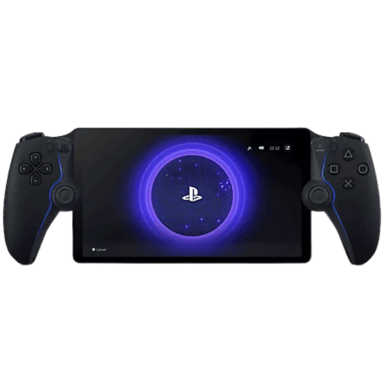

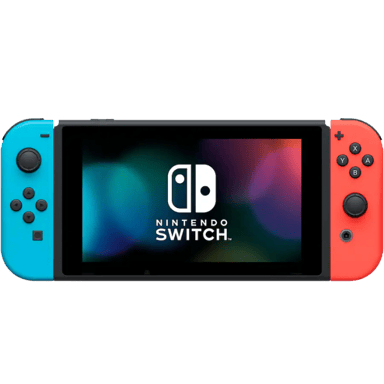
 Recaptor
 0
Cartling
0
Cartling